
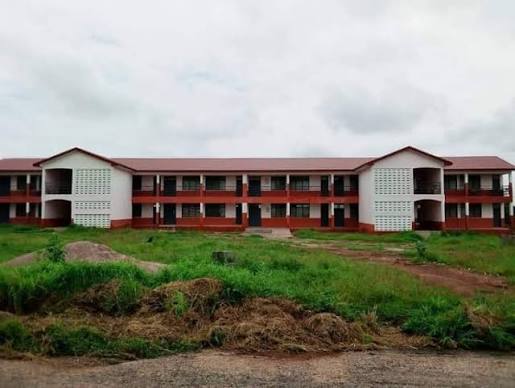
The National Democratic Congress (NDC) swept into office on a strong education promise: abolish the controversial double-track Senior High School (SHS) system and restore normal academic calendars for thousands of students.
Eighteen months into the Mahama administration, however, the reality on the ground tells a different story.
In the Upper East Region, schools that previously operated the double-track system, including Sandema Senior High/Technical School and Tempane Senior High School, are no longer running the system.
But school authorities say the change is not the result of new classroom blocks or expanded infrastructure promised during the campaign.
Instead, it has been driven largely by moderate student enrolment, reducing pressure on existing facilities rather than increasing their capacity.
That trend reflects what is happening across the region, where schools that once relied on double-track have reverted to the single-track calendar without any significant expansion of classrooms, dormitories or other educational infrastructure.
Despite repeated campaign assurances that the double-track system would be abolished through massive investments in school infrastructure, no new classroom blocks have yet been constructed by the current administration in the Upper East Region specifically to eliminate overcrowding associated with the system.
Chairman of the Conference of Heads of Assisted Secondary Schools (CHASS) in the Upper East Region, Richard Akumbase, acknowledged that the region is no longer operating the double-track system but attributed the development to changing enrolment patterns rather than infrastructure expansion.
“The government is barely a year in office, so we expect more classroom blocks. Though in the Upper East Region we are not running the double-track system again,” he said.
The NDC had consistently criticised the double-track policy while in opposition, describing it as evidence of poor planning under the previous New Patriotic Party (NPP) administration.
The party assured parents that the system would be phased out through rapid expansion of educational facilities and improved planning.
However, after assuming office, government acknowledged that scrapping the policy immediately was impractical because many schools still lacked the classrooms, laboratories, dormitories and dining facilities needed to accommodate all students at the same time.
Education Minister Haruna Iddrisu, speaking during the Government Accountability Series on July 20, 2026, announced that the complete elimination of the double-track system has now been pushed to 2029, two years beyond the administration’s earlier target of 2027.
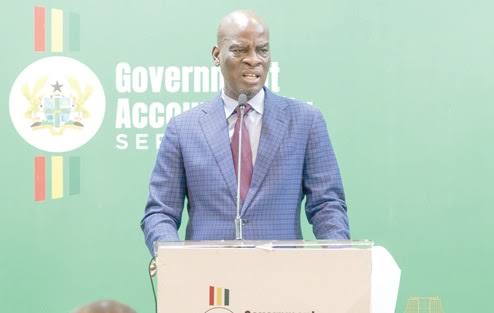
Government says the revised approach is backed by the US$331 million (about GH¢3 billion) STAR-J Programme, funded with support from the World Bank, to expand infrastructure in more than 200 educational institutions nationwide.
While government maintains that about 100 senior high schools have already returned to the single-track calendar, critics are that, at least in the Upper East Region, the transition reflects declining enrolment pressure rather than fulfilled infrastructure promises.
For many parents and students, the distinction is significant.
The return to single-track schooling may be welcome, but it has not come through the expansion of learning facilities that formed a central pillar of the NDC’s campaign message.
Instead, it reflects a temporary easing of enrolment pressure, raising concerns about whether the region’s schools will be able to cope if student numbers rise again.
While the double-track system has quietly disappeared from the region, the classrooms that were promised to permanently solve overcrowding are yet to materialise, leaving unanswered questions about the long-term sustainability of the gains.
Source: bolgafmonline.com|102.7 MHz|Bolgatanga
