
Table of Contents
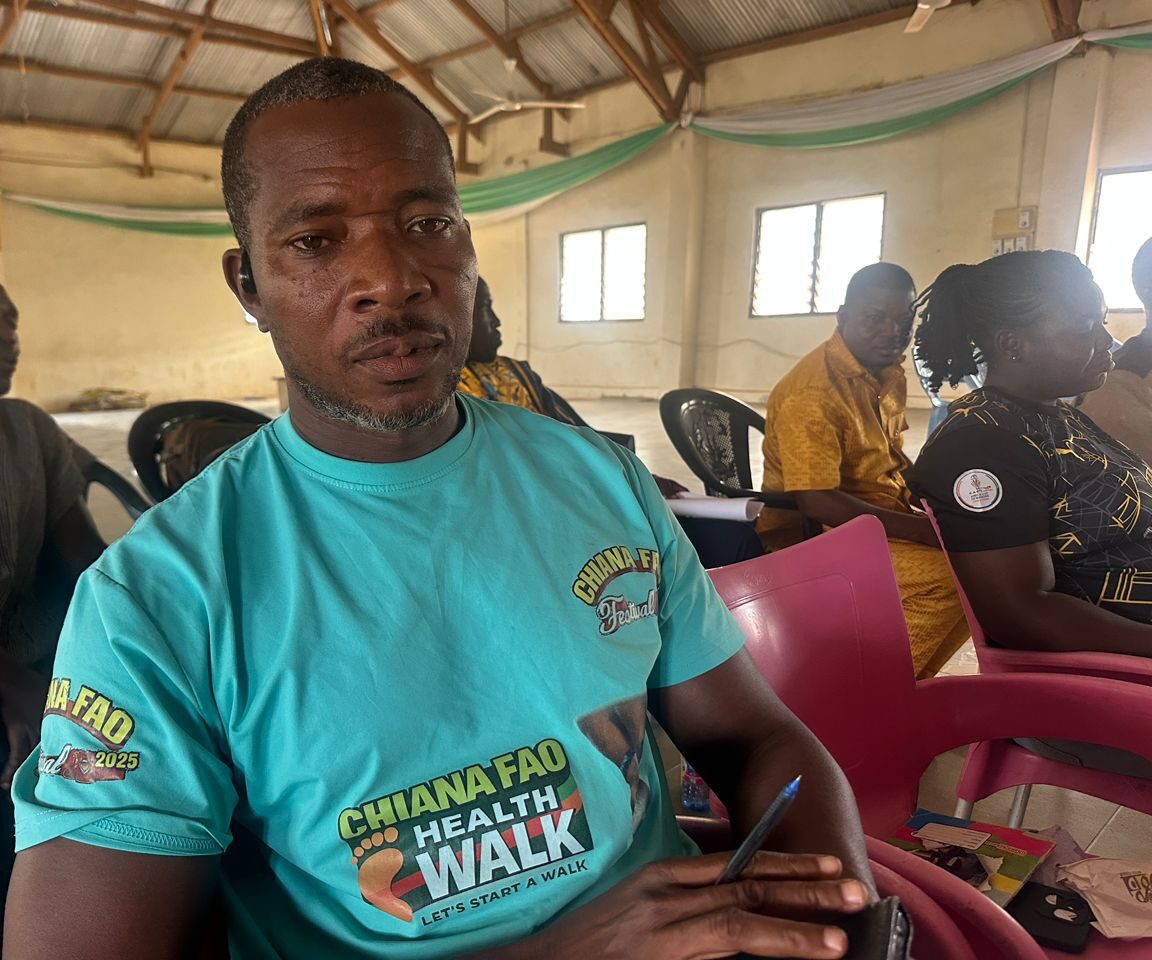
For Lambert Kuzigiyem, leadership did not begin in the Assembly chamber.
It started much earlier, within his family, where decisions about his future were made with the understanding that education could alter the course of his life.
His family’s insistence that he pursue formal education eventually paid off. Today, the 42-year-old is educated, employed and serves as an Assembly Member for Gwenia Electoral Area in the Chiana-Paga Constituency in the Upper East Region.
But reflecting on that journey has also made him question who gets to speak and who gets to decide within the household.
He said, “Had it not been for my mother, I would not be who I am today. She forced me to go to school and made sure I never lacked anything despite the difficulties she was facing at the time.”
Mr Kuzigiyem believes women must be given a stronger voice in family decisions and greater opportunities to assume leadership roles in their communities.
For him, the question of women’s leadership is not simply about occupying public positions.
It begins at home.
He says families must create an environment where women and girls can express their views, contribute to decisions and develop the confidence needed to take up leadership responsibilities beyond the household.
The issue comes against a wider national picture in which women’s participation in decision-making remains limited. Data from the Ghana Statistical Service and the Ghana Demographic and Health Survey show that the proportion of married women who solely make decisions about their own healthcare increased from 25 per cent in 2008 to 27.4 per cent in 2014 and 38.2 per cent in 2022, indicating progress while underscoring the continuing gap in women’s autonomy within households.
At the community and political level, women remain significantly underrepresented, accounting for only about 4.1 per cent of district-level Assembly Members in the July 2024 data. The Affirmative Action (Gender Equity) Act, 2024, meanwhile, seeks to increase women’s representation in decision-making to at least 30 per cent by 2026 and 50 per cent by 2030.
A mother’s struggle
For 35-year-old Gladys Asetum, the journey towards leadership has been slower.
A dressmaker, she says her understanding of women’s exclusion from decision-making was shaped by watching her mother struggle to have her voice heard within the household.
That experience, she says, once weakened her own confidence and ambitions.
But years of engagement with organisations and participation in training programmes have gradually changed her outlook.
“Training such as these have helped me understand that we women also have a voice and can speak freely. And I am building my life around it,” she said.
The confidence she is rebuilding has brought her to a point where she is now contemplating something she might once have considered impossible: contesting an Assembly election.
“I am even thinking next Assembly Election, I will contest,” she said with a smile.
For Ms Asetum, leadership is no longer something reserved for others.
It is a possibility.
Her story reflects one of the central concerns behind an intervention by the Youth Harvest Foundation Ghana (YHFG), which is seeking to challenge attitudes and practices that limit women’s participation in leadership and decision-making.
From the household to the community
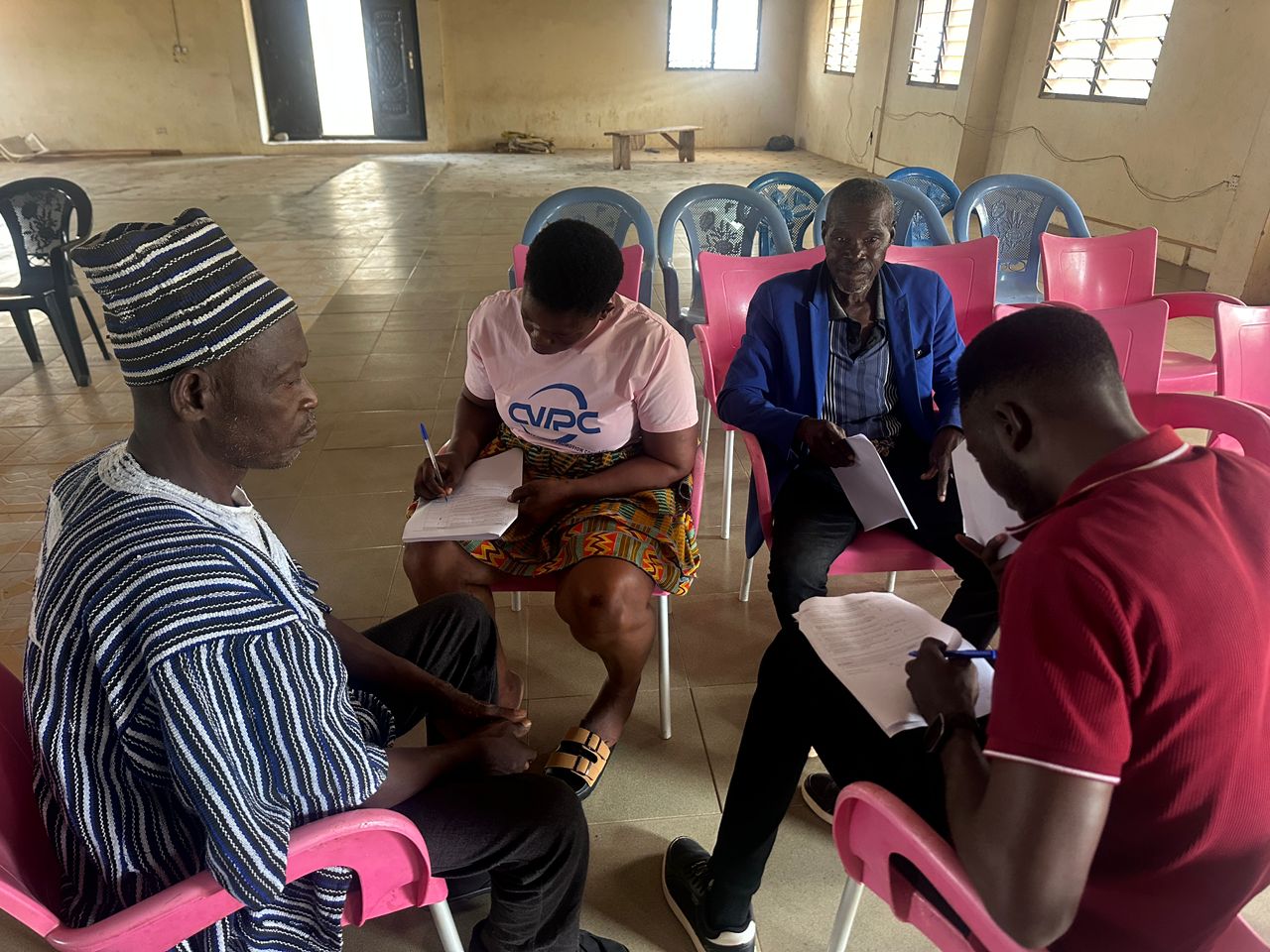
Under its project, Advancing Young Women’s Leadership, Economic Power and Freedom from Violence, YHFG is engaging 30 traditional and religious leaders from six communities in the Kassena-Nankana West (Kayoro,Kalvio, Gwenia), and Nabdam (Gane-Asonge, Dagliga,Dasobligo) districts in the Upper East Region.
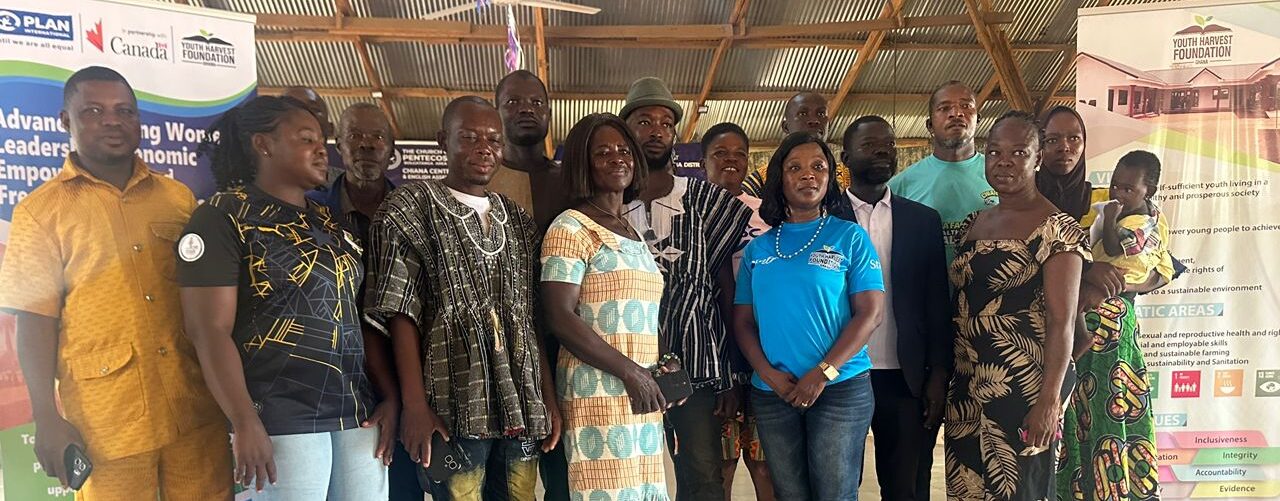
The initiative, supported by Plan International Ghana and Global Affairs Canada (GAC), seeks to strengthen the commitment of influential community leaders to promoting women’s inclusion in leadership and decision-making.
Project Lead, Abigail Adumolga Tiwol, says the engagement is intended to create an opportunity for traditional and religious leaders to critically examine the factors shaping women’s participation.
“The engagement will bring together 30 traditional and religious leaders from the project communities for an interactive dialogue on women’s participation in leadership and decision-making,” she said.
According to her, the discussions are focusing on the current participation of women in household and community decision-making, social and cultural norms that limit women’s participation, and the influence traditional and religious leaders can exert in promoting positive social change.
Participants are also being encouraged to examine the benefits of inclusive decision-making to families and communities and identify practical actions they can take to support women and girls who aspire to leadership.
Changing the conversation
The intervention is premised on the recognition that traditional and religious leaders wield considerable influence over community values, social norms and expectations.
Their influence can either reinforce existing barriers or help dismantle them.
For women such as Abatundra Grace, a 35-year-old mother of three, such interventions could have implications well beyond leadership positions.
She says the training would strengthen her ability to build a more resilient and inclusive household, particularly in ensuring that decision-making involves her husband and children.
Her perspective underscores an important dimension of the initiative: women’s inclusion in leadership is not only about elections, public office or formal community positions.
It also concerns who has a voice in everyday decisions that shape families.
Beyond the meeting room
For YHFG, the ultimate measure of the intervention will not be the number of leaders who attend the engagement, but whether the discussions translate into changes in attitudes and practices.
Mrs Tiwol says the project expects participants to develop a stronger understanding of the importance and benefits of women’s inclusion in leadership and decision-making.
It also hopes to increase awareness of the social and cultural barriers affecting women’s participation, strengthen the commitment of traditional and religious leaders to support women and girls into leadership, and identify practical community-level actions to promote inclusive decision-making.
For women like Gladys Asetum, however, the significance may be more personal.
A woman who once watched her mother’s voice struggle to find space within household decisions is now beginning to imagine herself occupying a public leadership position.
And for Lambert Kuzigiyem, who benefited from a family that pushed him towards education and opportunity, the lesson is clear: leadership begins long before an individual reaches an Assembly hall.
Source: Bolgafmonline.com| 102.7 MHz| Moses Apiah| Upper East
