

Table of Contents
The Upper East Regional Minister, Donatus Akamugri Atanga, has called for equitable teacher deployment, improved school infrastructure and targeted support for disadvantaged learners, warning that Ghana’s education system must be judged by the quality of learning children receive rather than policies formulated at the national level.
He said education directors had a critical responsibility to ensure effective teaching, improve teacher performance and deliver measurable learning outcomes, particularly in underserved communities.
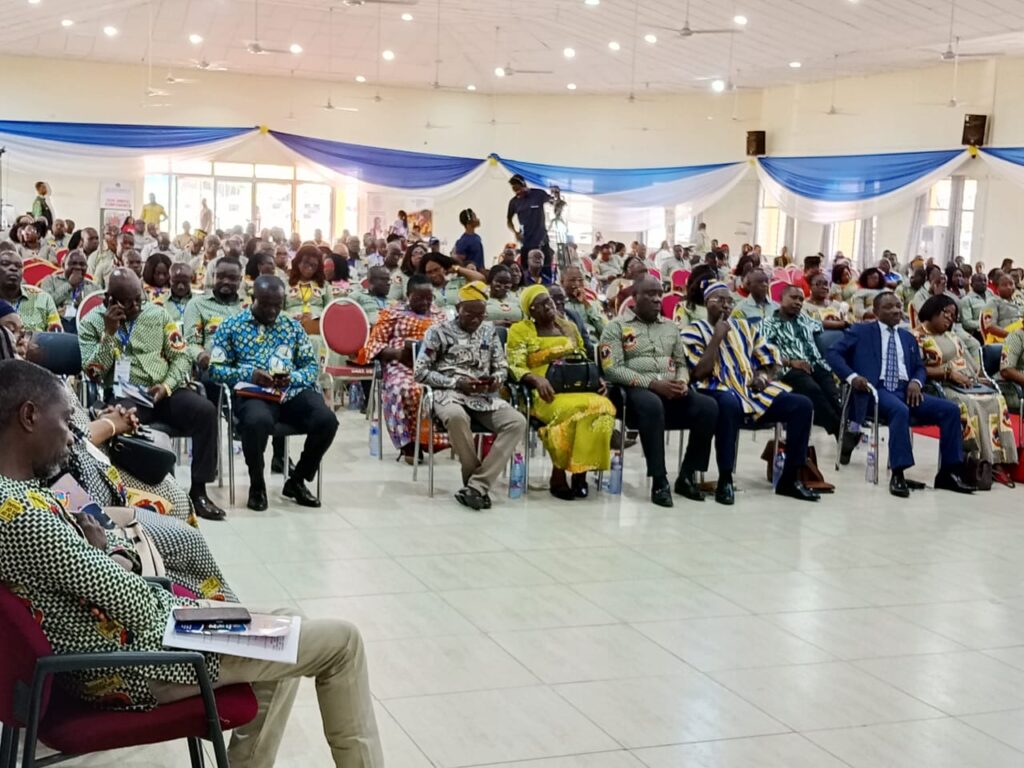
Mr. Atanga made the remarks at the just-ended 33rd Annual Conference of the Conference of Directors of Education (CODE), held in Bolgatanga in the Upper East Region from October 19 to 23, 2026.
Addressing education directors at the conference, he said their leadership must translate into effective school supervision, responsible management of resources and improved learning outcomes.
“You are not merely invaders, you are strategic leaders whose decisions directly influence the quality of education delivered to our children,” he said.
He added that the success of the education system should not be measured only by the policies developed but by the quality of education delivered to children in classrooms across the country.
Minister calls for targeted support for disadvantaged learners
The Regional Minister said education remained a critical pathway out of poverty and a means of reducing inequality in the Upper East Region, stressing the need to ensure that children in both urban centres and remote communities had equal opportunities to access quality education.
He said the region had produced hardworking students, dedicated teachers and accomplished professionals whose contributions to national development should inspire renewed efforts to improve educational outcomes.
Mr. Atanga called for equitable teacher distribution, adequate teaching and learning materials, improved school infrastructure and deliberate interventions to support disadvantaged learners, the girl child and children with disabilities.
He said these measures were necessary to ensure that a child’s geographical location or social circumstances did not determine the quality of education they received.
The Minister’s remarks come amid longstanding concerns about disparities in educational resources and access between well-resourced communities and underserved areas, where shortages of teachers, infrastructure and learning materials can affect classroom delivery.
Calls for stronger collaboration among education stakeholders
Mr. Atanga also urged stronger collaboration among the Ghana Education Service (GES), district assemblies, traditional authorities, parents, communities and development partners to address challenges confronting schools.
He said education was a shared responsibility that required coordinated efforts among institutions and communities rather than leaving the burden solely on teachers and education managers.
The call for collaboration comes as district-level education management requires coordination between education directorates and local government authorities in the planning, supervision and delivery of education-related interventions.
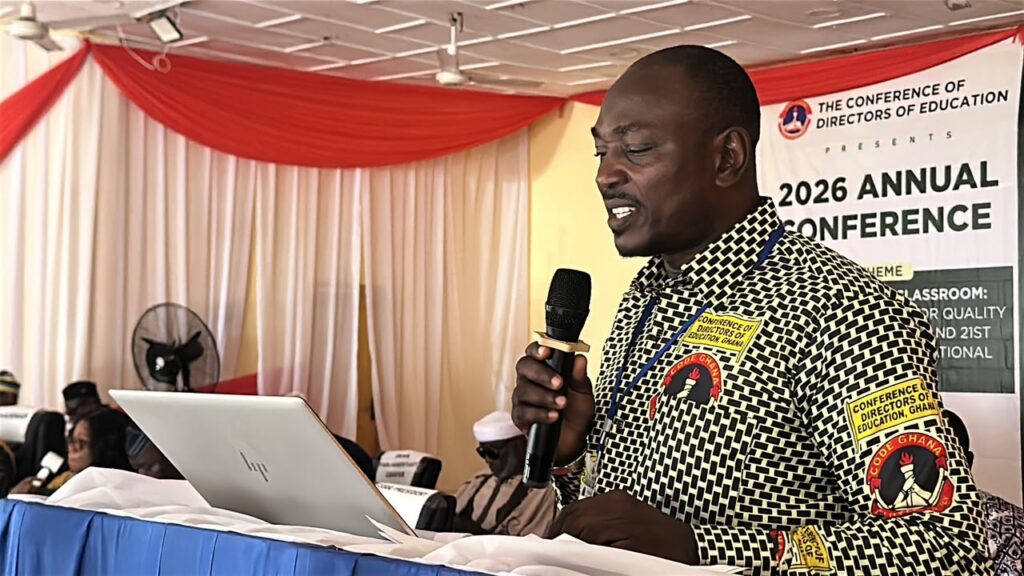
At the conference, the President of CODE, Ibrahim Mumuni, also raised concerns about role conflicts between education directorates, Metropolitan, Municipal and District Assemblies (MMDAs) and other stakeholders, alongside logistical and welfare challenges affecting directors.
The concerns highlight the importance of clear responsibilities and effective coordination among institutions expected to support schools and improve learning outcomes.
Learning outcomes must guide education policy
The Regional Minister reiterated that education directors must demonstrate visible leadership through effective supervision, improved teacher performance and responsible use of available resources.
He said the Upper East Region needed to build on its educational achievements by ensuring that every child, including those in remote communities, had a fair opportunity to develop their potential.
The 33rd CODE conference brought together education directors and other stakeholders to discuss district leadership and the implementation of education policies under the theme, “From Policy to Classroom: District Leadership for Quality Learning Outcomes and 21st Century Skills for National Development.”
The discussions placed renewed emphasis on the role of district education leadership in translating national policy into tangible improvements in teaching and learning.
For the Upper East Region, Mr. Atanga said, the priority must be to ensure that education delivers on its promise of reducing poverty, addressing inequality and preparing young people for national development.
Source: Bolgafmonline.com| 102.7 MHz | Bolgatanga
