
Table of Contents
Ideas Ghana has launched a climate resilience project in Yarigabisi in the Upper East Region to protect vulnerable residents from the growing health effects of extreme heat and air pollution.
The initiative, being implemented in partnership with the Sanofi Foundation of France, will introduce a community-based early warning system to alert residents to rising temperatures and deteriorating air quality, with pregnant women, children and the elderly identified as priority groups.
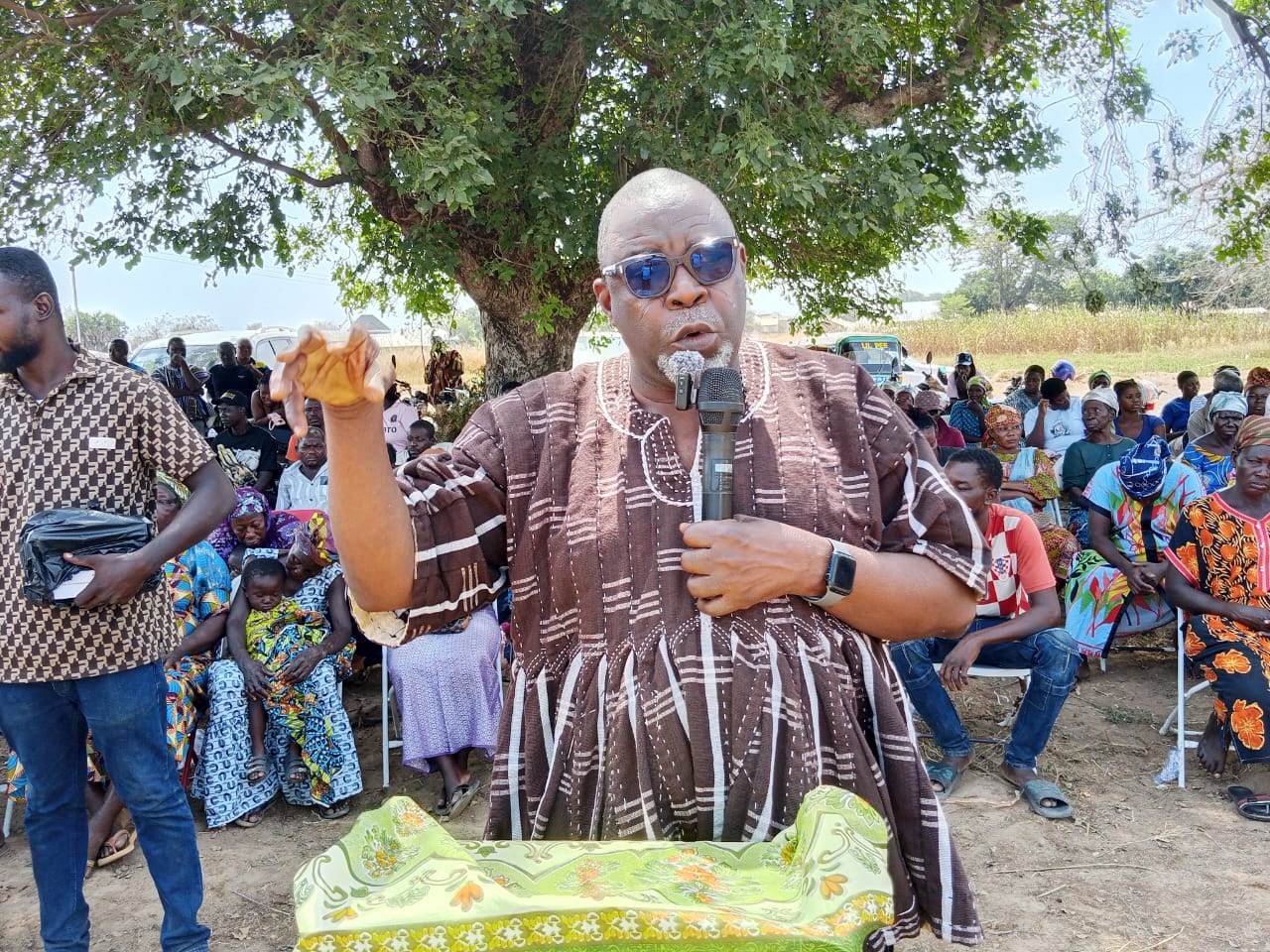
Executive Director of Ideas Ghana, Dr Joseph Ayembilla, said the increasing intensity of heat and worsening air quality were exposing vulnerable populations to serious health risks, requiring communities to be better prepared.
He said sensors installed at six strategic locations in Yarigabisi would collect environmental data to generate alerts, enabling residents to take precautionary measures during periods of extreme heat and air pollution.
The sensors have been installed at locations including the Yarigabisi Health Facility and the Yarigabisi Cluster of Schools.
Dr Ayembilla said the alerts would guide residents on measures such as avoiding unnecessary outdoor activities during periods of intense heat, staying in shaded areas and drinking sufficient water.
Women trained to monitor environmental risks
As part of the intervention, five women from Yarigabisi have been trained as citizen scientists and equipped with tablets to receive and monitor information generated by the sensors.
They are expected to play a central role in communicating environmental risks and ensuring residents receive timely warnings.

The project will generate weekly reports on accumulated heat and air pollution data, while alerts will be disseminated through voice messages in Gurune and English to make the information accessible to a wider section of the community.
Dr Ayembilla said the use of local-language voice messages would help residents understand the warnings and respond appropriately.
Health professionals urged to identify heat-related illnesses
The Ideas Ghana Executive Director also expressed concern that some heat-related illnesses might not be properly identified when patients report to health facilities.
He said health professionals needed to pay greater attention to possible heat exposure when assessing patients, particularly as rising temperatures increasingly threaten public health.
According to him, some patients present symptoms associated with extreme heat, but the underlying exposure may not always be recognised during diagnosis.
He therefore called for greater awareness among health workers to improve the identification and management of heat-related conditions.
50 vulnerable households to benefit from roof retrofitting
Beyond the early warning system, the project will support 50 vulnerable households, particularly those occupied by pregnant women and elderly persons, to reduce indoor temperatures.
Dr Ayembilla said the intervention would involve retrofitting roofs with heat-reflective paint to minimise heat absorption and make homes cooler and more comfortable.
The measure is expected to reduce household exposure to extreme indoor temperatures, especially among residents who are more susceptible to heat-related health complications.
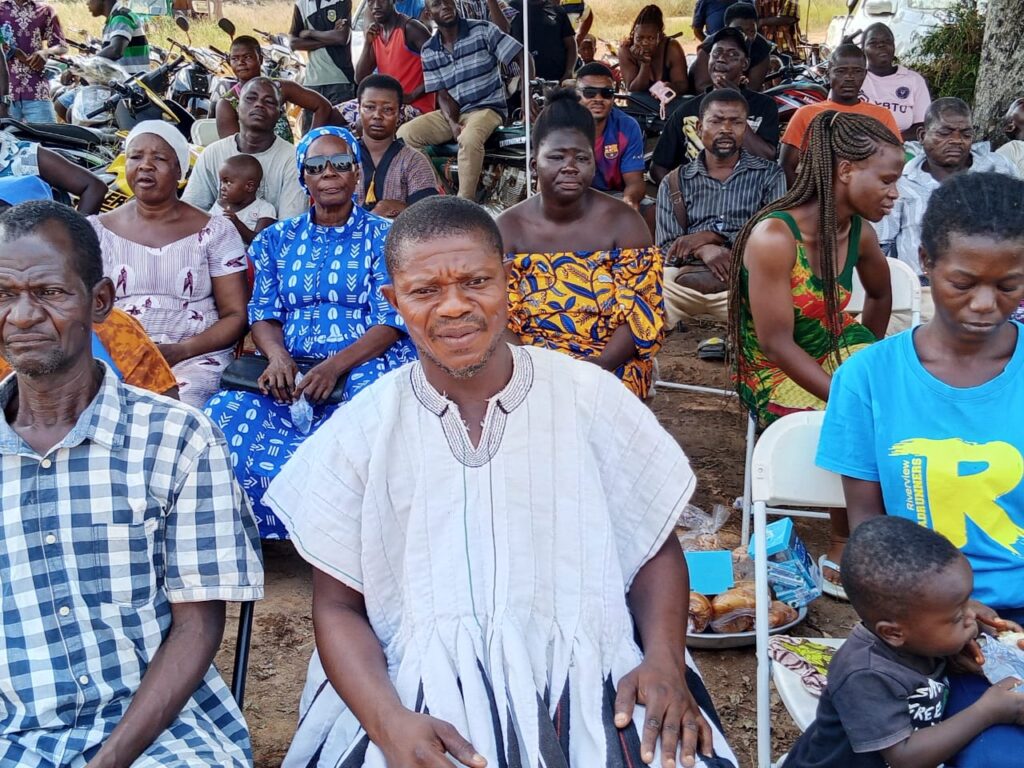
The launch brought together the Chief of Yarigabisi, the Bolgatanga East District Chief Executive, the Assembly Member, traditional leaders, queen mothers, youth groups and other community members.
Their participation highlighted the role of local leadership and community involvement in strengthening preparedness and responding to the growing effects of climate change.
The project is expected to provide residents with timely environmental information while supporting practical measures to reduce their exposure to extreme heat and air pollution.
Source: Bolgafmonline.com| 102.7 MHz| Joseph Napoleon Anaaya| Bolgatanga East
