

Table of Contents
The Navrongo-Bolgatanga Catholic Diocesan Development Organisation (NABOCADO) is calling for urgent support from government agencies, health authorities, and development partners to improve child health services and address persistent gaps in healthcare delivery in the Upper East Region,
It says mothers and children in some parts of the region continue to travel long distances to health facilities that are without essential medical equipment and adequate nursing staff.
The organisation further indicated that the shortage of paediatric infrastructure, medical equipment and nursing personnel is undermining efforts to provide quality healthcare for children under five, particularly in refugee-hosting communities already facing pressure on limited social services.
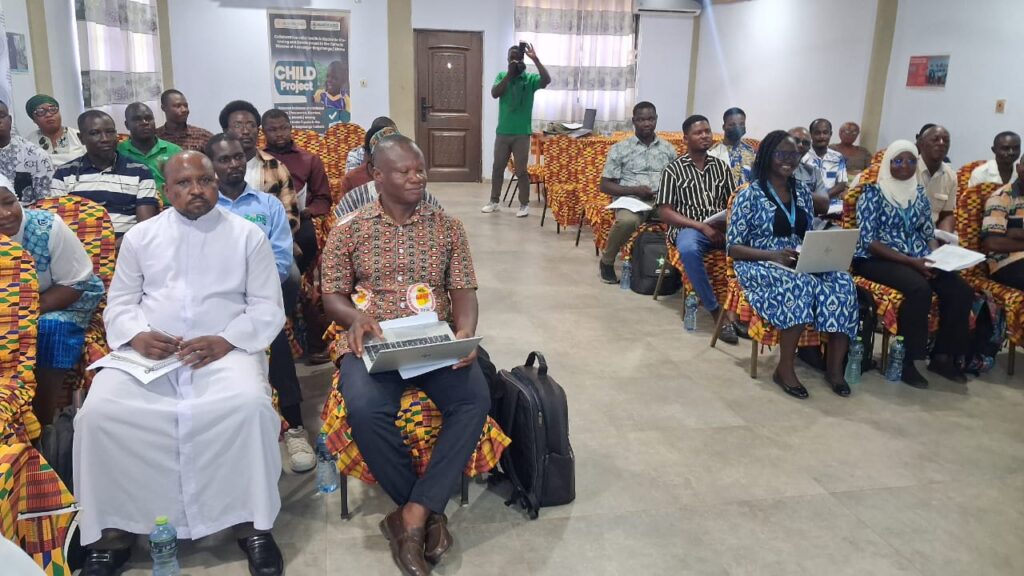
The Executive Director of NABOCADO, Dr Joseph Bangu, made the appeal during a stakeholder engagement and advocacy meeting in Zebilla, organised under the Collaborative Child Health Initiative for Life-Saving and Development (CHILD) project.
He said the organisation was seeking to build a common advocacy platform to mobilise state institutions, development partners, community leaders and individuals to address the challenges confronting child healthcare delivery.
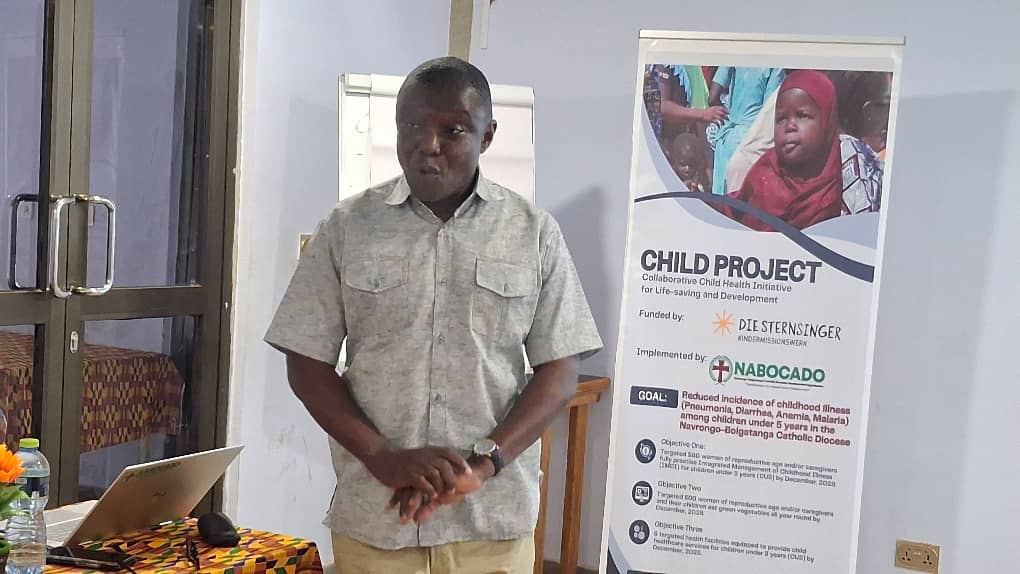
“We cannot do it alone. We need to build that momentum. We need to mobilise ourselves together and come out with a common front,” he said.
Dr Bangu identified the lack of medical equipment and consumables as a major concern, explaining that mothers and children sometimes travel long distances to health facilities only to find that the basic amenities needed to provide care are unavailable.
He called for improved equipment and supplies to enable health workers to manage cases brought to the facilities.
Healthcare gaps affecting mothers and children
NABOCADO’s Health Programmes Coordinator, Mr Sebastian Tule, said a baseline survey conducted in the project communities identified inadequate infrastructure, staffing and medical equipment as major challenges affecting child healthcare delivery.
He said the advocacy initiative was intended to secure commitments from the Ghana Health Service, district assemblies and other relevant institutions to improve paediatric facilities and ensure adequate nursing personnel were available to manage childhood illnesses.
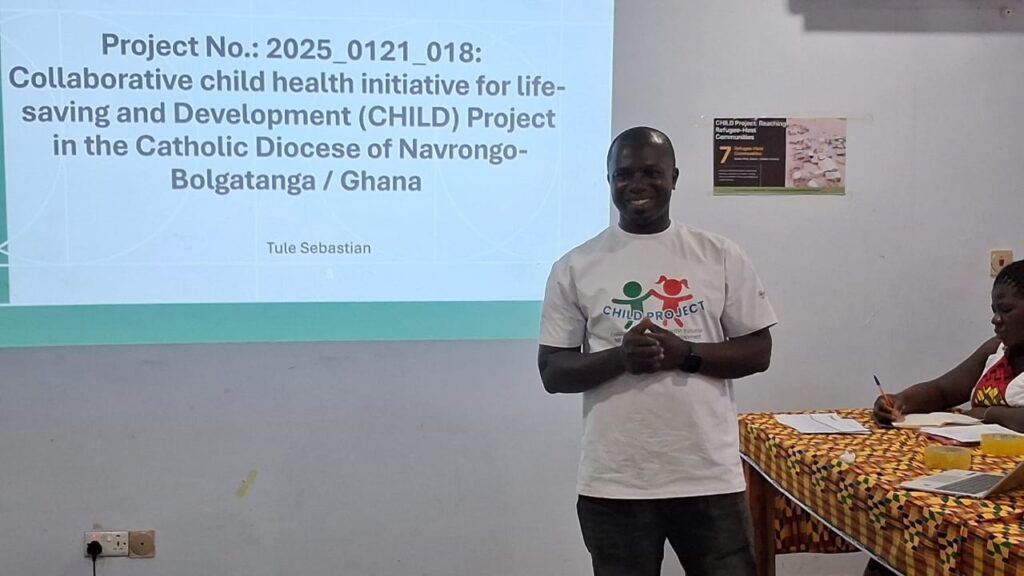
Mr Tule said some mothers and children had to travel long distances to access healthcare, only to encounter facilities without the basic equipment and supplies required for appropriate treatment.
He called for the posting of more paediatric nurses, improved staff capacity and the provision of essential equipment and consumables to enable health facilities to manage childhood illnesses promptly and refer complicated cases appropriately.
The project also seeks to strengthen mothers’ ability to identify danger signs in children, seek timely medical attention and adopt appropriate hygiene practices to prevent diseases.
Health Service acknowledges staffing and infrastructure challenges
In a speech read on his behalf, the Upper East Regional Director of the Ghana Health Service, Dr Braimah Baba Abubakari, said under-five morbidity and mortality remained significant public health concerns requiring adequate staffing, appropriate infrastructure, essential equipment and other logistics.
He identified anaemia, malnutrition, pneumonia, diarrhoeal diseases and malaria among common causes of illness and death in children under five, stressing the need for timely and effective healthcare to reduce preventable childhood deaths and disabilities.
Dr Abubakari acknowledged challenges relating to inadequate healthcare personnel and their uneven distribution, as well as shortages of standardised paediatric units and infrastructure to care for sick children.
Figures presented at the engagement showed that Nabdam had one midwife to 417 women of reproductive age, while Zebilla had one midwife to 494 women.
Binduri recorded one midwife to 1,204 women of reproductive age, highlighting the need to strengthen the healthcare workforce and improve the distribution and retention of personnel.
CHILD project targets seven communities
The CHILD project, which began in November 2025 and is expected to end in October 2028, targets six health facilities and seven communities in the Bawku West, Binduri and Nabdam districts.
It seeks to reduce childhood illnesses among children under five through nutrition support, community education, improved access to healthcare and strengthened capacity of health workers.
The project supports mothers in refugee-hosting and host communities to establish home gardens for cultivating leafy vegetables to improve household nutrition.
It also facilitates mother-to-mother support groups to enable women to share knowledge and experiences on child healthcare.
NABOCADO says collaboration among government institutions, health authorities, district assemblies, development partners and communities will be critical to addressing the gaps and improving access to essential child health services in the targeted areas.
Source: Bolgafmonline.com |102.7 MHz| Bawku West District
