
Table of Contents
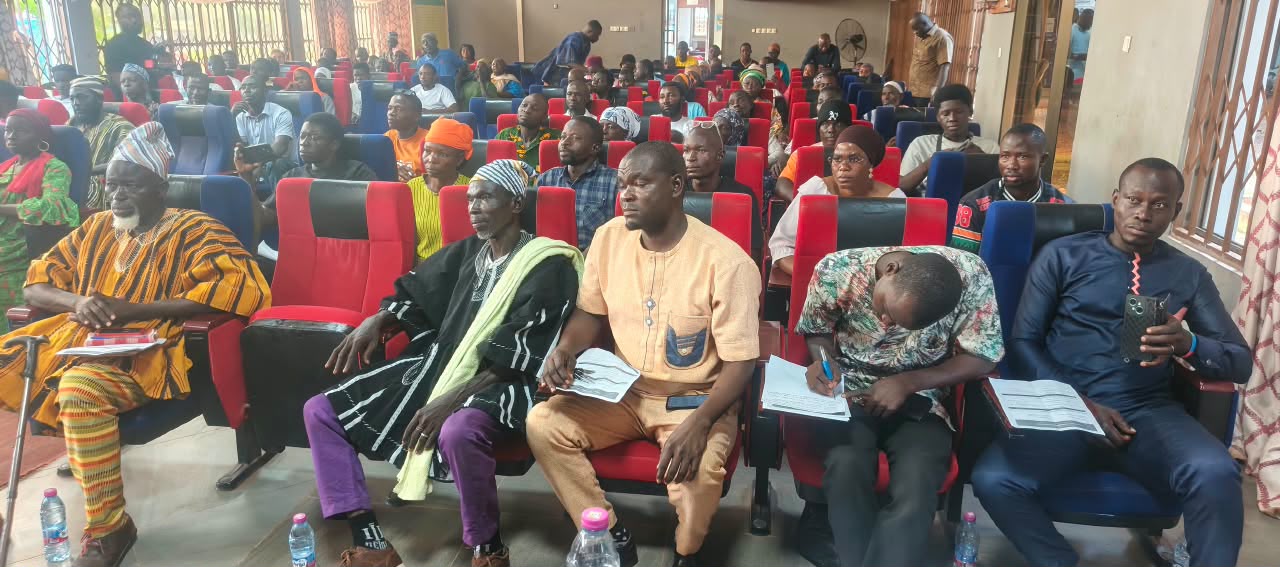
One hundred communities in the West Mamprusi Municipality are being challenged to take greater control of their development by identifying their priorities, mobilising local resources and demanding accountability from duty bearers.
The call was made at the launch of the ‘Ting Labginsim Project’, a community-driven initiative being implemented by Advocates for Community Alternatives (ACA) in partnership with Spark MicroGrants Ghana, and Water and Sanitation for the Urban Poor (WSUP) and the West Mamprusi Municipal Assembly.
The project uses the Facilitated Collective Action Process (FCAP) to allow communities to determine their own development priorities instead of having projects imposed on them.
Director of Community-Driven Development at ACA, Nana Ama Nketia-Quaidoo, said the approach recognises that communities have the knowledge and capacity to address many of their challenges when given the opportunity and resources.
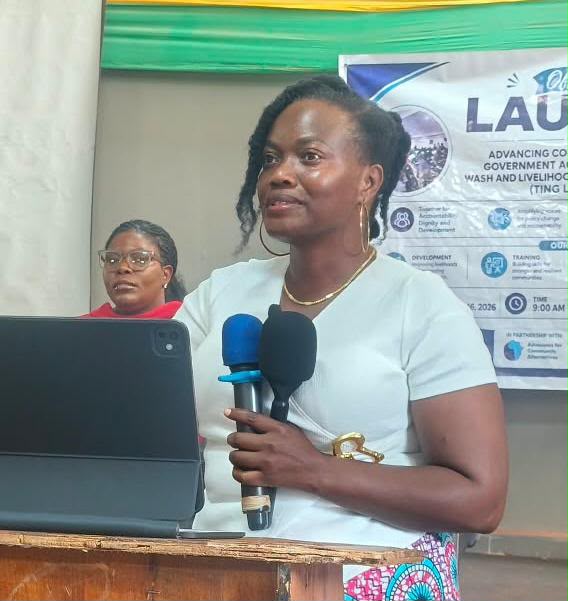
“We do not come to communities saying: “We know what you need.” Instead, we ask: “What is important to you? What do you want to change? What can you do together, and how can we support you to achieve it?”
The rollout began on September 14, 2026, with initial 50 communities expected to meet weekly to develop their visions, identify priorities and plan interventions. Additional 50 communities will be brought on board at the beginning of next year.
Nana Ama Nketia-Quaidoo said the process would move through three phases, community planning and visioning, implementation and advocacy, and post-implementation.
She added that the communities must remain at the centre of the process.
“ACA will facilitate, the Assembly will support, our partners will contribute, but the communities must lead. This is how we move from dependency to ownership.”
Assembly pledges support
The Municipal Chief Executive for West Mamprusi, Mohammed Rabiyu Jabaah, welcomed the initiative and assured the implementing partners and beneficiary communities of the Assembly’s commitment to supporting the project.
Under the project, ACA, with funding support from Spark MicroGrants, will provide US$8,000 to each of the 100 communities, totalling US$800,000.
The Municipal Assembly is expected to provide a US$400 counterpart contribution per community, amounting to US$40,000.
Country Director of Spark MicroGrants Ghana, Ann Squire, said the project is based on the principle that communities closest to a problem are often best placed to identify solutions.
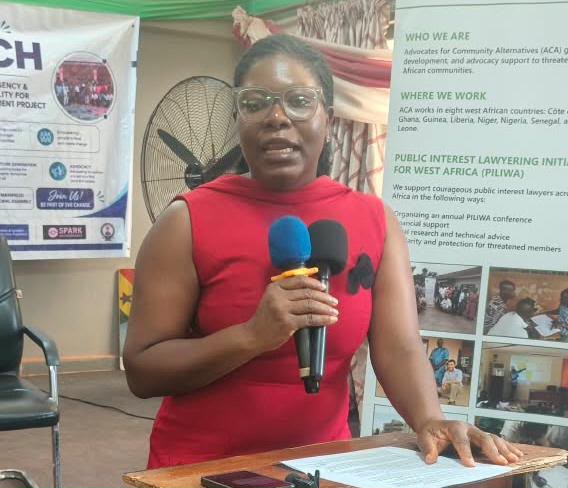
“The people closest to a problem are also closest to its solution.”
She said women, young people and groups often excluded from community decision-making would be deliberately included in the process.
The project will focus on WASH, livelihoods and accountability between citizens and government.
Mrs. Squire said success would not simply be measured by the number of projects completed, but by whether communities continue meeting, planning and engaging authorities after the project ends.
WASH facilities for schools and communities
WSUP Ghana will provide technical support on water and sanitation, including interventions in schools and communities.
Country Manager of WSUP Ghana, Frank Kettey, said a digital mapping of water and sanitation infrastructure had already been conducted across the municipality to identify functioning facilities and service gaps.
At least seven basic schools are expected to receive WASH facilities, while water extensions will target at least seven communities.
Mr Kettey said the project would also strengthen women’s participation in decisions on water and sanitation because women often bear much of the burden when access to water is limited.
But he warned that constructing facilities would not be enough.
“The infrastructure part is the easier part.”
He said the major challenge would be ensuring that the facilities and systems remain functional after development partners leave.
Mr Kettey said assessments had identified existing water and sanitation infrastructure that was no longer serving its intended purpose, making sustainability a key focus of the new intervention.
Beyond completed projects
ACA says the project builds on its experience working with 107 communities in Fanteakwa South, Nkoranza South and Abuakwa South and Atiwa West, where communities implemented projects including schools, clinics, markets and water facilities.
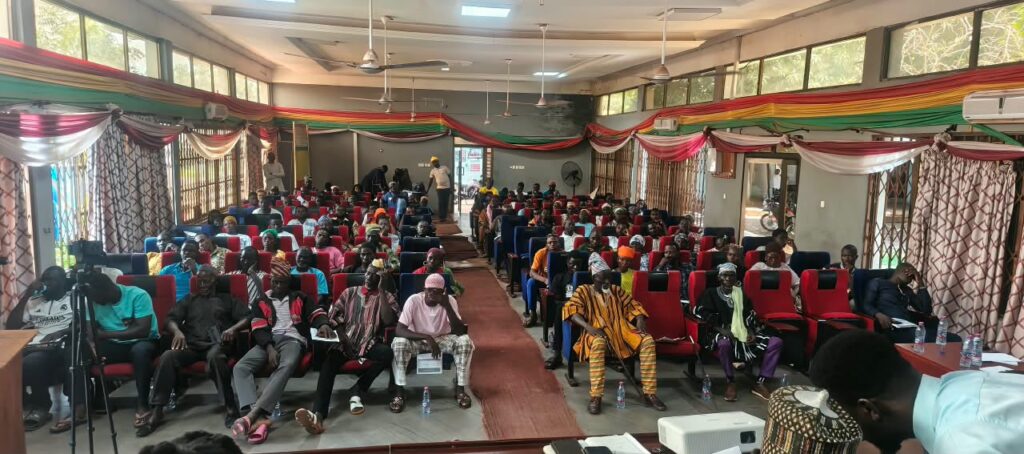
For West Mamprusi, the partners say the ambition is to create communities that can continue identifying their own priorities and mobilising around them beyond the life of the project.
A steering committee chaired by the MCE will provide oversight and meet quarterly to review progress and challenges.
Traditional leaders, women, youth and persons with special abilities are also expected to participate in the process.
The success of Ting Labginsim, the partners say, will ultimately depend not only on what is built, but on whether communities remain organised, engaged and able to hold institutions accountable for their development.
Source: Bolgafmonline.com| 102.7 MHz| West Mamprusi| North-East
