
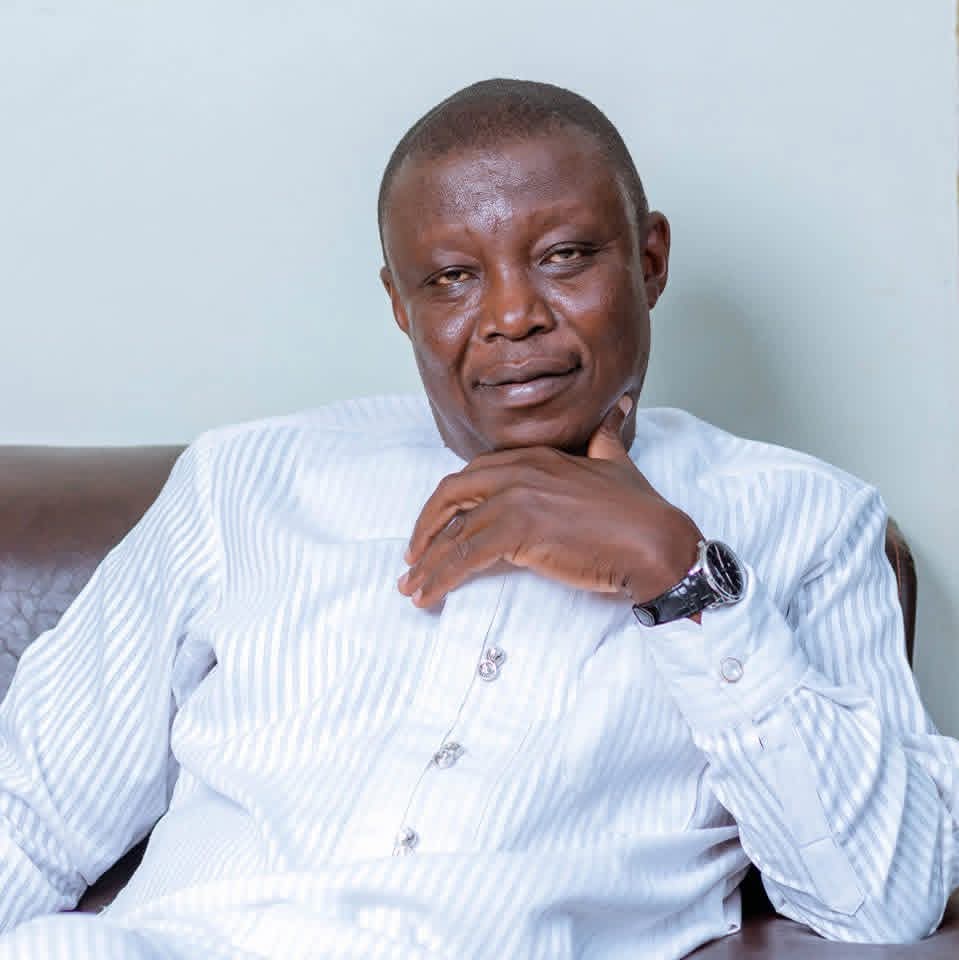
The Executive Director of the Navrongo-Bolgatanga Catholic Diocesan Development Organisation (NABOCADO), Dr Joseph Bangu, says peacebuilding must be treated as a core part of development planning because conflict can bring economic and social progress to a standstill.
He says NABOCADO has therefore integrated peacebuilding into its programmes in health, education, livelihoods and agriculture, rather than treating it as a standalone intervention.
“For us, peacebuilding is a pastoral priority. If there is no peace, there is no way you can preach. There’s no way people can go to work. Development will come to a standstill,” Dr Bangu said.
He was speaking during activities to mark World Peace Day 2026, being observed under the theme “Invest in Peace – For Everyone, Everywhere, Every Day.”
Dr Bangu said NABOCADO’s approach requires peace and conflict considerations to be assessed before development projects are introduced into communities.
He explained that the organisation pays particular attention to community entry, including identifying traditional leaders, assembly members, women and other key actors who influence the dynamics of a community.
“You may have the eyes, but the invisible walls are on,” he said, stressing that organisations must understand those underlying dynamics before implementing projects.
According to him, failure to understand existing tensions can undermine an otherwise well-intentioned development intervention.
He said NABOCADO therefore works closely with the National Peace Council to better understand the conflict landscape of communities before projects are implemented.
“There are instances in which you get to a community and realise that, look, unless we go back and do our background work well before we enter,” he said.
Dr Bangu also disclosed that peace education is being strengthened within Catholic schools, with a draft resolution from the Diocese’s Pastoral Congress proposing the establishment of peace clubs in schools.
He said the move reflects NABOCADO’s broader effort to make peacebuilding a continuous process rather than an activity reserved for periods of conflict.
Where active conflicts exist, he said, the organisation first analyses the situation before working to bring the relevant actors to the dialogue table.
“We are able to identify and do an analysis of the whole context. Then we are able to gradually bring the actors together,” he said.
Dr Bangu said NABOCADO’s interventions are guided by a human security approach, which recognises peace and safety as essential conditions for people to access opportunities and improve their livelihoods.
He acknowledged that peacebuilding can be costly and time-consuming but said the organisation remains committed to accompanying communities until dialogue and peaceful engagement are restored.
“It’s difficult, but that’s what we, as a faith-based organisation, decided to do,” he said.
Source: Bolgafmonline.com| 102.7 MHz| Bolgatanga
